
Classification and scientific names
Search 90 organisms, compare their Domain and KPCOFGS ranks, and practise scientific names. Includes common animals, crops, fungi, protists, bacteria and an archaeon.
90 organisms · GBIF Backbone reference snapshot · compare the same rank across two examples.
Reference images can show a whole organism, microscopic preparation, culture or associated structure. Read each caption; appearance alone may not confirm species. Wikimedia-hosted references require internet access.
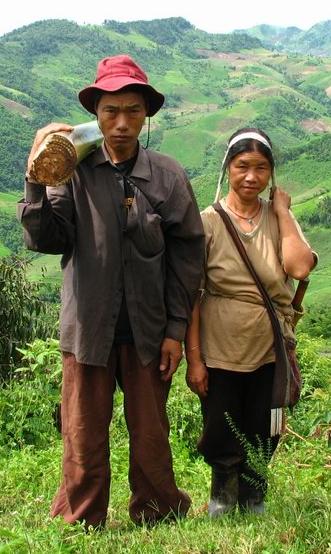
Image unavailable. Open the credited source.
Human · Homo sapiens
Organism reference image · select image to enlarge
Image credit and source
Akha_cropped_hires.JPG · Weltenbummler84 · CC BY-SA 2.0 de. Resized reference copy; original image content retained. Original and attribution
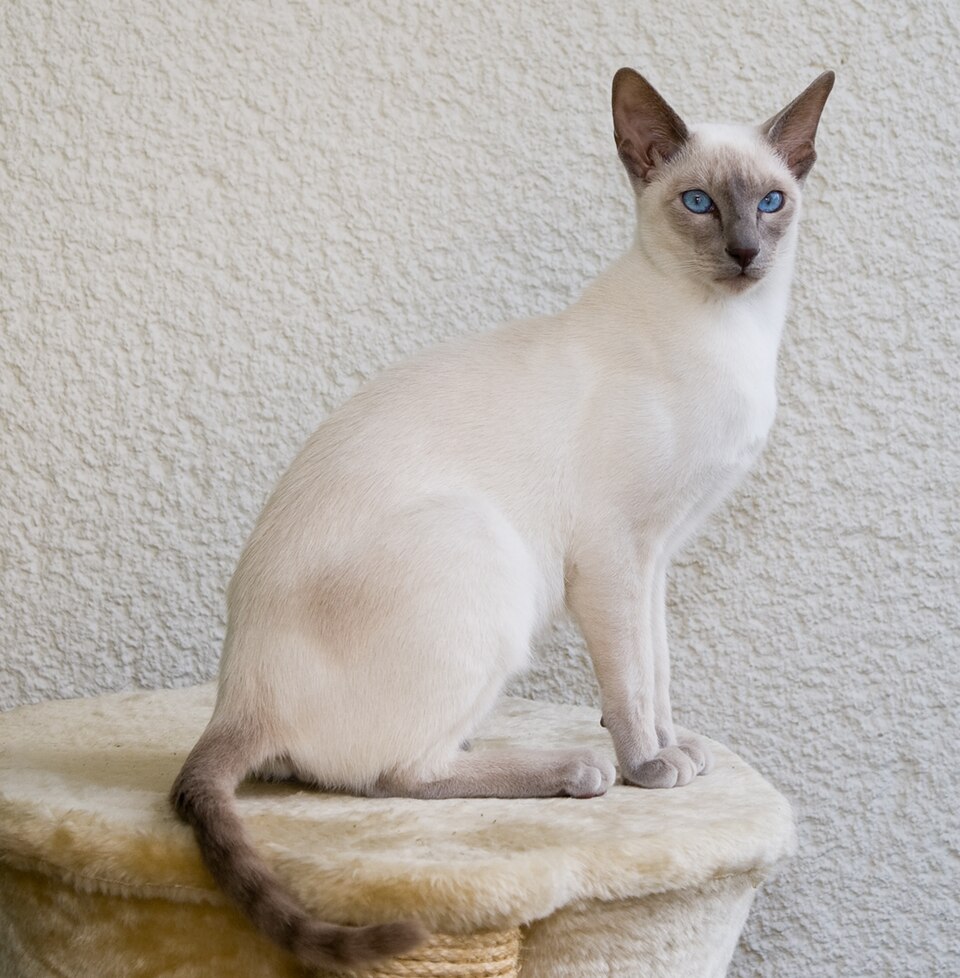
Image unavailable. Open the credited source.
Domestic cat · Felis catus
Organism reference image · select image to enlarge
Image credit and source
Siam_lilacpoint.jpg · Karin Langner-Bahmann , upload von Martin Bahmann · CC BY-SA 3.0. Resized reference copy; original image content retained. Original and attribution
| Rank | Human Homo sapiens | Domestic cat Felis catus |
|---|---|---|
| DomainSharedSelected rank | Eukarya | Eukarya |
| KingdomShared | Animalia | Animalia |
| Phylum / DivisionShared | Chordata | Chordata |
| ClassShared | Mammalia | Mammalia |
| Order | Primates | Carnivora |
| Family | Hominidae | Felidae |
| Genus | Homo | Felis |
| Species | Homo sapiens | Felis catus |
4 displayed ranks shared. Shared ranks describe this reference hierarchy, not a measurement of genetic similarity.
Human
A named animal species example. Compare common names with scientific names: a broad name such as snail, spider or frog can refer to many species.
GBIF source · Homo sapiensSnapshot: 2026-11-03
Domestic cat
A named animal species example. Compare common names with scientific names: a broad name such as snail, spider or frog can refer to many species.
GBIF source · Felis catusSnapshot: 2026-11-03
Taxonomy data: GBIF Secretariat (2023), GBIF Backbone Taxonomy, CC BY 4.0. Selected rank fields retrieved 3 November 2026; domain labels, common names and teaching notes added for this activity. This is the legacy Backbone reference, not a live Catalogue of Life lookup.
School names and classification systems
KPCOFGS gives Kingdom, Phylum (often Division for plants), Class, Order, Family, Genus and Species; Domain is added above Kingdom. This table follows a saved GBIF Backbone hierarchy. Textbooks may use different ranks or names: compare the source and system before marking a different classification wrong.
Traditional Monera combines bacteria and archaea; modern domain systems separate them. Protista is a historical teaching grouping, not one natural evolutionary branch. Traditional monocot/dicot and algal groupings may differ from this source’s ranked plant classification. A missing rank is left unassigned rather than invented. Viruses use a different ICTV hierarchy and are outside this organism table.
Read-aloud and labels use scientific names as written. This collection supplies reference examples; it does not identify an unknown specimen.
Investigate and explain
- Search and compare one Nigerian crop with another. Find their narrowest displayed shared rank.
- Compare a vertebrate with an invertebrate, then a plant with a fungus. Explain which ranks differ.
- Choose maize and rice, then cat and lion. Predict a selected rank before revealing it.
- Compare Amoeba, Euglena and a bacterium. Explain why study groups are not necessarily kingdoms.
- Find an unassigned rank or a synonym. Read the source note and explain how this changes marking a textbook answer.
Practice · question 1/4
Which rank is immediately above genus?
Choose once, then discuss your reasoning.
First attempts: 0/0
Assignment and explanation guide
Write a claim, support it with two observations from this activity, and explain one model limitation. Compare with a partner. A strong answer names the structures or processes, controls relevant variables and distinguishes the illustration from biological evidence.